Home › Factory visits
Buyer verification
What a peptide factory visit can verify
A factory visit is most useful when it answers a defined set of questions. It can confirm that a real production environment exists, show how materials and packed goods move through the site, and create a documented basis for the batch you are buying. It cannot, by itself, replace a specification review, batch COA or destination-market compliance check.
Recorded on site
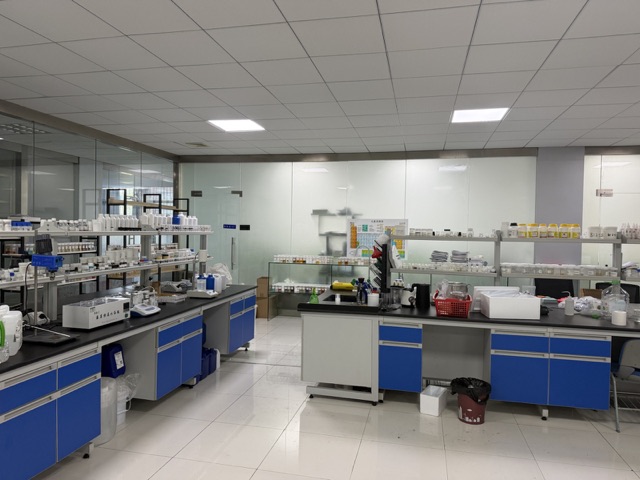
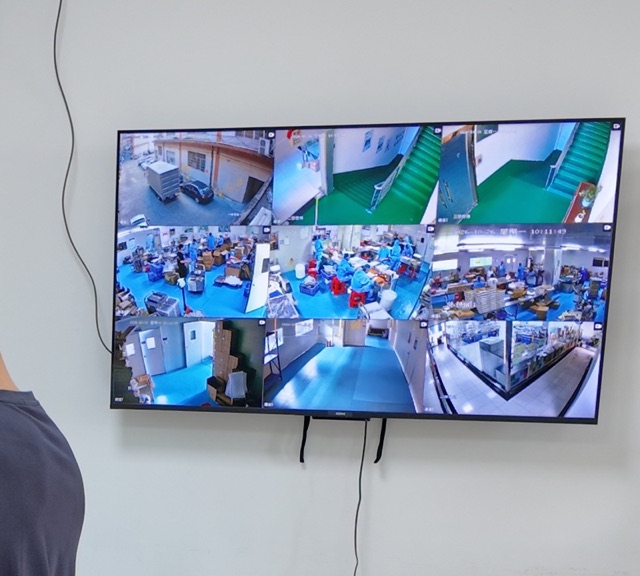
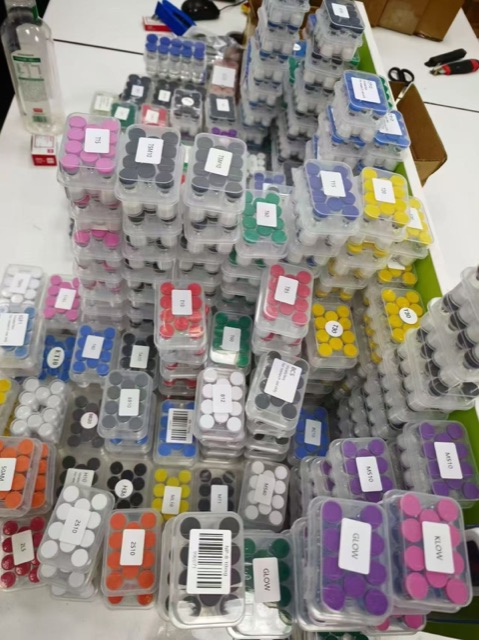
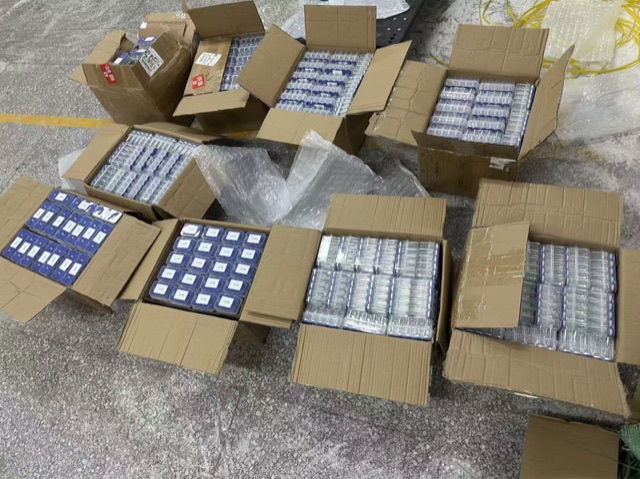
Production and visitor-access evidence
These images and clips document the production environment and floor-access process. Customer identities, order details and confidential documents are not shown.
What the visit should establish
Do not judge a factory visit only by the building or reception area. Ask to follow the material path from receiving through preparation, packing and dispatch. Record who is responsible at each step and which documents link the physical goods to the batch record.
- Site identity — confirm the operating company, facility location and the person conducting the visit.
- Material flow — observe how incoming goods, work-in-progress and released stock are separated.
- Batch handling — confirm how the batch number is assigned and matched to labels and records.
- Line clearance — ask how previous materials and labels are removed before a new batch or pack run.
- Packing control — review artwork approval, label reconciliation and carton confirmation.
- Document control — verify who issues the COA, how corrections are handled and how long records are retained.
What photos and videos can and cannot prove
Useful evidence
Dated photos and video can show that a production environment exists, that equipment and packing areas are present, and that a visitor was given access. When the footage is connected to a visit date and a dated record, it gives the buyer a stronger starting point.
Not automatic proof
Images alone do not prove ownership, certification, GMP status, manufacturing capacity, product identity or compliance in the destination market. Those claims must be supported by the relevant legal entity, licence, audit or batch document.
How to arrange a practical visit
Define the scope
State the products, quantities, destination and the questions the visit must answer.
Review documents first
Request the specification, sample COA and legal-entity information before scheduling.
Agree the agenda
Include receiving, production, quality records, packing, dispatch and a document review session.
Record observations
Keep your own notes and date-stamped photos. Ask for any missing evidence after the visit.
Close the gaps
Move unresolved ownership, certification, import or batch questions into writing before an order.
The Pepteora factory page links the production footage to the quotation process. The HENGYUE factory tour covers the wider site, packing area and visitor-access record.